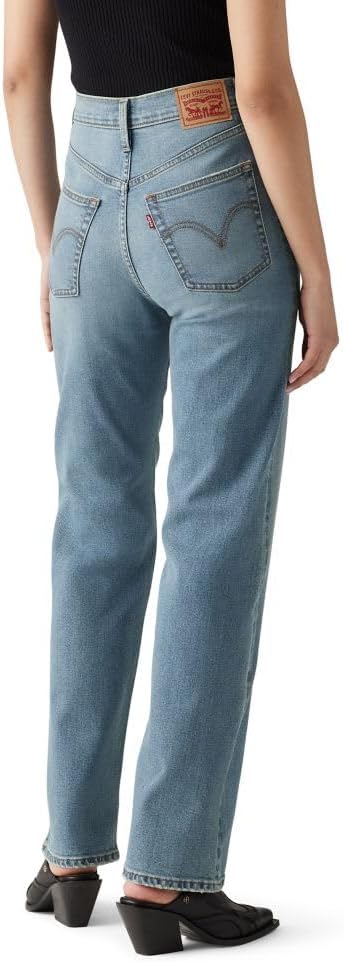
You found the perfect wide-leg jeans — the rise hits right, the leg opening falls exactly where you want it, and the wash feels current without chasing a trend that’ll be over in six months. Then you wash them twice and the waistband starts to gap, the seat goes baggy, and the legs lose the clean drape that made them worth buying in the first place. Sound familiar? The problem usually isn’t the cut. It’s the fabric.
Wide-leg jeans (a silhouette where the leg opens significantly from the knee or hip, creating a relaxed, floor-grazing or cropped shape) live or die by their fabric construction more than almost any other denim style. Unlike skinny or slim styles that rely on stretch to follow your body, wide-leg jeans need specific weight, weave, and fiber content to hold their shape independently. That interplay between structure and flexibility is what this guide is about. By the end, you’ll know exactly which fabric specs to look for at every price point — and which numbers to walk away from.
Why Stretch Percentage Is a Structural Decision, Not a Comfort Feature
Most shoppers think of stretch as a comfort call. A little give = easier to move. That framing works for leggings. For wide-leg denim, it’s the wrong mental model.
Stretch in denim comes from elastane (also called spandex or Lycra — they’re the same fiber, different brand names) woven into the cotton base. The percentage listed on the label tells you how much the fabric can elongate before the cotton framework takes over. Here’s where it gets consequential for wide-leg silhouettes specifically:
Low stretch (0–1% elastane): This is rigid or “dry” denim. It holds its shape under gravity, which is exactly what a wide, floor-length leg needs to drape cleanly. The tradeoff is break-in time — rigid denim molds to your body over weeks of wear, not immediately. Brands like Totême and A.P.C. favor sub-1% elastane in their wide-leg styles for this reason. Per Who What Wear’s 2025 roundup of wide-leg styles, reviewers consistently note that the structured silhouette in higher-end rigid styles outlasts higher-stretch alternatives by a significant margin.
Moderate stretch (2–3% elastane): The industry sweet spot for most wearers. Enough give to accommodate movement and different body geometries without the fabric losing its memory (its ability to return to original shape) after repeated wear. Harper’s Bazaar’s 2024 fabric guide notes that 2% elastane blends have become the dominant formula in mid-tier denim because they balance comfort with shape retention more reliably than the extremes.
High stretch (4%+ elastane): Here’s where the wide-leg silhouette starts to work against itself. Higher elastane content makes the fabric want to cling — which fights the whole point of a wide, architectural leg opening. Brands compensate with heavier cotton weights, but the result is often a leg that starts wide and gradually narrows across the knee and thigh after washing, as the elastane retracts. Refinery29’s 2025 wide-leg roundup flagged this exact issue with several fast-fashion options: reviewers repeatedly described the leg shape “distorting after a few washes.”
The practical decision rule: if the silhouette depends on gravity and structure (barrel leg, full palazzo, wide-straight), target 0–2% elastane. If you need hip and thigh ease for a curvier fit, 2–3% is your working range. Above 3%, treat it as a comfort buy with a shorter shape-retention window.
Fabric Weight and Weave: The Variables the Label Doesn’t Always Show You
Stretch percentage gets most of the attention, but fabric weight (measured in ounces per square yard) and weave construction are equally determinative for wide-leg performance.
Weight: Traditional denim runs 10–14 oz. Wide-leg styles benefit from the upper end of that range (12–14 oz) because heavier fabric drapes with more authority and resists the “collapsing” look that lighter denim gets when there’s no leg to hold it taut against the body. Business of Fashion’s 2024 analysis of denim manufacturing noted that premium brands have been moving toward 12+ oz weights specifically to serve the wide-leg category, citing consumer feedback on longevity. Lighter fabrics (under 10 oz) are sometimes marketed as “soft” or “comfortable,” which they are — but they tend to wrinkle more aggressively and lose leg-opening structure faster.
Weave: Most denim is woven in a twill pattern (diagonal lines visible on the surface). Selvedge denim (woven on a narrow, traditional shuttle loom) produces a denser, more tightly interlocked weave that wears differently from standard open-end spun denim. For wide-leg silhouettes, selvedge’s tighter construction means it holds a crease cleanly, ages with more visual character, and typically maintains leg structure longer. The tradeoff: selvedge is almost always rigid (0% elastane), and the price reflects the slower manufacturing process. If you’re buying in the $200+ range, asking whether a pair is selvedge is a legitimate qualifier.
By the Numbers: Fabric Composition and Expected Fit Retention
| Elastane % | Typical Weight | Fit Retention (Wide-Leg) | Best For |
|---|---|---|---|
| 0–1% | 12–14 oz | Excellent (18+ months) | Structured, palazzo, barrel styles |
| 2–3% | 10–12 oz | Good (12–18 months) | Mid-tier, daily wear, curvier fits |
| 4–6% | 8–10 oz | Moderate (6–12 months) | Comfort-first, lower price points |
Based on aggregated owner reviews and published brand specs across major denim categories. Individual care practices affect outcomes.
How Price Tier Maps to Fabric Decisions
Understanding the spec math above makes it easier to evaluate whether a price premium is real or just marketing. Here’s how the tiers actually break down:
Under $80 (Madewell sale, Levi’s, H&M Conscious, Walmart Free Assembly): At this tier, you’re usually working with 3–5% elastane and lighter cotton weights. That’s not automatically bad — Levi’s Ribcage Wide Leg has a loyal following for a reason, and owners consistently report reasonable shape retention if you air-dry rather than machine-dry. But the realistic expectation is a 12–18 month peak window before leg-opening integrity starts to soften. For trend-driven washes and seasonal shapes, this is an honest value.
$100–$200 (Madewell full price, Agolde, Citizens of Humanity diffusion, Everlane): This is where the 2–3% elastane formula lives, paired with heavier cotton and better construction at the waistband (the first place wide-leg jeans fail — a waistband that stretches out kills the whole silhouette). Agolde’s 90s Pinch Waist in this range draws consistent praise from reviewers on Who What Wear for maintaining its structure across multiple washes. Owners report the leg opening staying clean well past the 18-month mark with normal care.
$200–$400 (Totême, A.P.C., Frame, Rag & Bone): Here the brand is charging for fabric sourcing, construction quality, and — increasingly — resale performance. The RealReal’s 2025 denim resale report shows that Totême and Frame wide-leg styles retain 40–55% of retail value at resale, compared to 15–25% for mid-tier brands. That’s a meaningful delta if you’re thinking about cost-per-wear over a two- to three-year cycle. The rigid or near-rigid construction at this tier requires you to commit to the break-in process, but the payoff is a silhouette that still looks intentional in year three.
$400+ (Isabel Marant, Acne Studios, Goldsign): Vogue’s 2025 wide-leg roundup notes that Goldsign in particular commands its premium on the basis of fabric sourcing and fit architecture — the brand works with Japanese mills and designs cuts specifically to account for how different elastane percentages affect wide-leg drape across size ranges. Owners in aggregated reviews consistently describe the fit as unusually consistent across sizes, which is the real luxury at this level: reduced size-roulette risk.
The Care Variable Nobody Prices In
The most underrated factor in wide-leg jean longevity is wash and dry protocol — and it interacts directly with elastane content. High-stretch fabrics are more sensitive to heat because heat degrades elastane fibers, causing permanent stretch-out at stress points (waistband, thighs, back pockets). Rigid denim can handle a standard warm wash; high-stretch wide-leg jeans really cannot, not if you want the silhouette to survive.
The practical rules that owners in long-run reviews consistently report as game-changing:
- Wash inside-out in cold water. Heat and friction both break down elastane faster than wear does.
- Air-dry flat or hang. Machine drying is the single biggest accelerant of waistband failure and leg-shape distortion in wide-leg styles.
- Wash infrequently. Denim doesn’t need washing after every wear — especially rigid styles that benefit from extended wear between washes. Most premium denim owners report washing every 8–12 wears.
For rigid or selvedge options, air-drying also matters, but for a different reason: heavy cotton takes longer to return to shape after washing, and heat-drying can cause temporary stiffness that then distorts as it relaxes.
The Decision Frame
If you’re standing in a fitting room or hovering over a product page, here’s how to run the math quickly:
If the silhouette is wide-straight, barrel, or palazzo and you want it to look good for 2+ years: Target 0–2% elastane, 12 oz+ fabric weight, and cold-wash air-dry commitment. Spend in the $150–$300 range or above if resale performance matters to you.
If you need hip and thigh ease and daily comfort is the priority: 2–3% elastane at the $100–$200 tier is the honest sweet spot. Budget for a replacement cycle of 18–24 months.
If you’re buying for a trend wash or a specific season: High-stretch options under $80 are a rational choice. The silhouette degradation timeline is acceptable if the trend has a comparable shelf life.
If you see 5%+ elastane on a wide-leg style at any price point: That’s a comfort pant pretending to be a structured silhouette. It might feel great. It will not hold the wide-leg line past the first dozen washes. Price it accordingly.
The wide-leg silhouette rewards investment in fabric over investment in branding. The brands worth the premium are the ones who’ve figured out that equation first — and whose customers keep coming back because the leg opening still looks right three years later.