You’re standing in a shoe department — or more likely a browser tab — trying to decide between a New Balance 990, a Cole Haan ØriginalGrand, and a Nike Air Max, and the price tags span almost $200. The brands have pitched you on their proprietary foams and hidden cushioning systems, but the marketing language is slippery enough that it’s easy to end up just buying the one that looks best and hoping for the rest works out. That’s where most shoppers land. This article is for people ready to go one level deeper: understanding what’s actually inside the midsole (the layer of foam sandwiched between the outsole on the ground and the insole under your foot), why it matters for comfort and longevity, and which brand’s approach is worth the premium for your specific use case. By the end, you’ll have a clear decision rule — not a vague “it depends.”
The Three Midsole Philosophies, Plainly Explained
These three brands aren’t really competing on the same axis. They’ve each made a structural bet about what a shoe is for, and the midsole technology is where that bet becomes physical.
New Balance: Performance Foam With Longevity Engineering
New Balance’s current platform splits across two proprietary foam systems. Fresh Foam — used across the 1080 running line and increasingly in lifestyle silhouettes like the 990v6 — is a single-piece injection-molded EVA (ethylene-vinyl acetate, the most common midsole foam in athletic shoes) tuned for a plush, even ride. ABZORB, the older compound, shows up in the 574 and several hybrid lifestyle models; it’s a denser, more impact-targeted foam that blunts heel strike without the full-compression softness of Fresh Foam.
What distinguishes New Balance at the construction level is durability engineering. Hypebeast has published detailed breakdowns of New Balance’s cushioning systems noting that the brand has historically over-engineered midsole density for lifestyle use — meaning shoes designed to log 400 running miles hold up impressively under daily walking wear. Owners across aggregated reviews consistently report that Fresh Foam midsoles retain compression resistance noticeably longer than equivalent price-point competitors. That’s a construction-quality story, not just a marketing story.
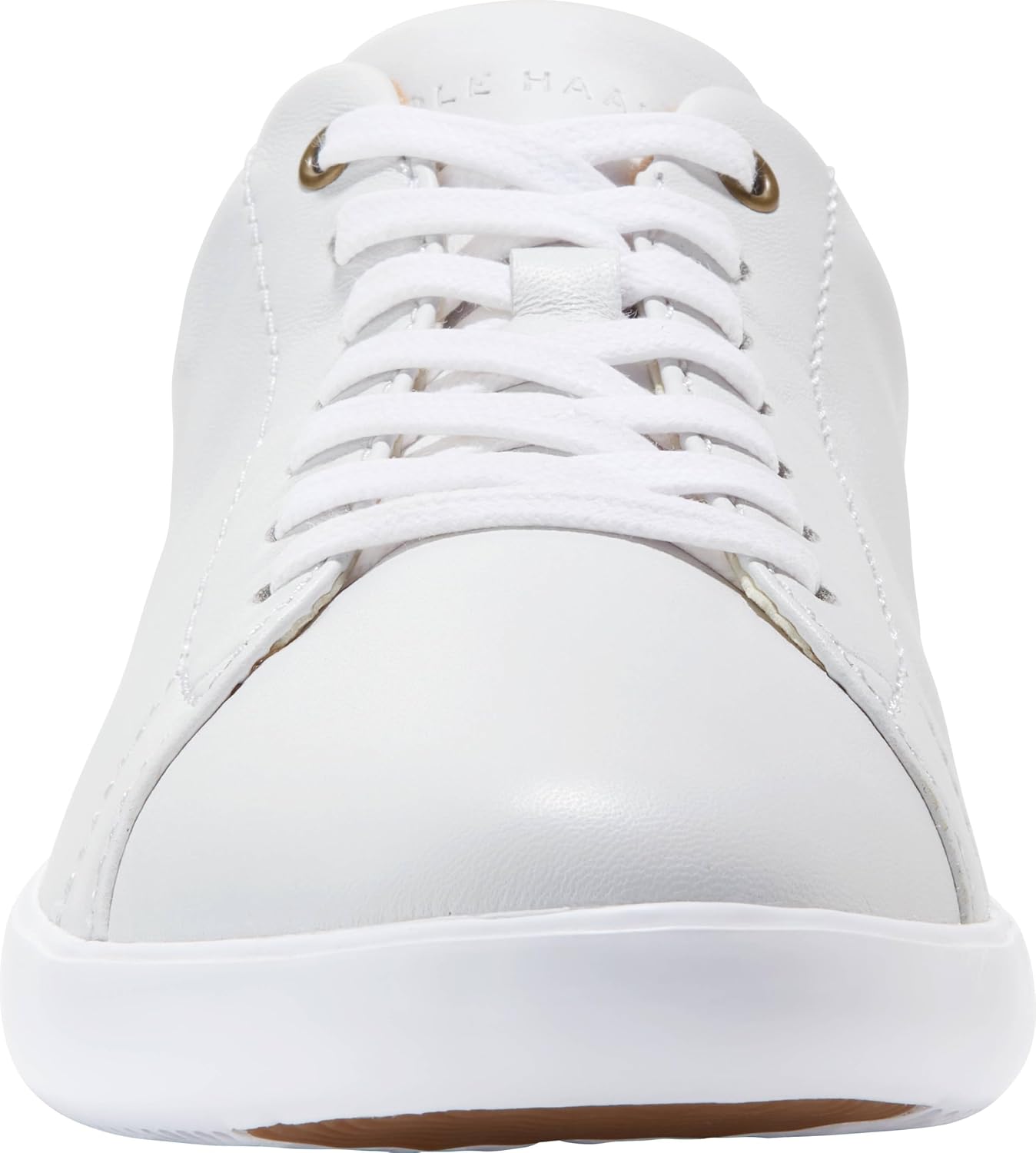
Cole
$74.98
In stock on Amazon
Check price on AmazonCole Haan: Athletic Foam Hidden Inside Dress-Shoe Architecture
Cole Haan’s defining move — and it’s genuinely clever — is licensing Nike’s Zoom Air cushioning technology and embedding it inside silhouettes that read as dress shoes or smart-casual oxfords. The ØriginalGrand and ZeroGrand lines place a Nike Zoom Air unit (a pressurized bag of nitrogen gas that returns energy to your foot) under a leather upper and a grand-scale rubber outsole that has been laser-perforated to reduce weight.
The result is a shoe that performs biomechanically like a lightweight athletic trainer while presenting as boardroom-adjacent footwear. Who What Wear’s roundup of comfortable dress shoes — published under the title “The Best Comfortable Dress Shoes That Don’t Sacrifice Style” — consistently names Cole Haan as the benchmark specifically because the Zoom Air unit is borrowed technology that actually works. It’s the same responsive, thin-profile cushioning found in Nike’s performance racing shoes, not a marketing facsimile. The tradeoff is that the leather upper and slim last (the form the shoe is built on) constrain the total stack height, so you’re getting athletic cushioning in a package that prioritizes silhouette over maximum impact absorption.
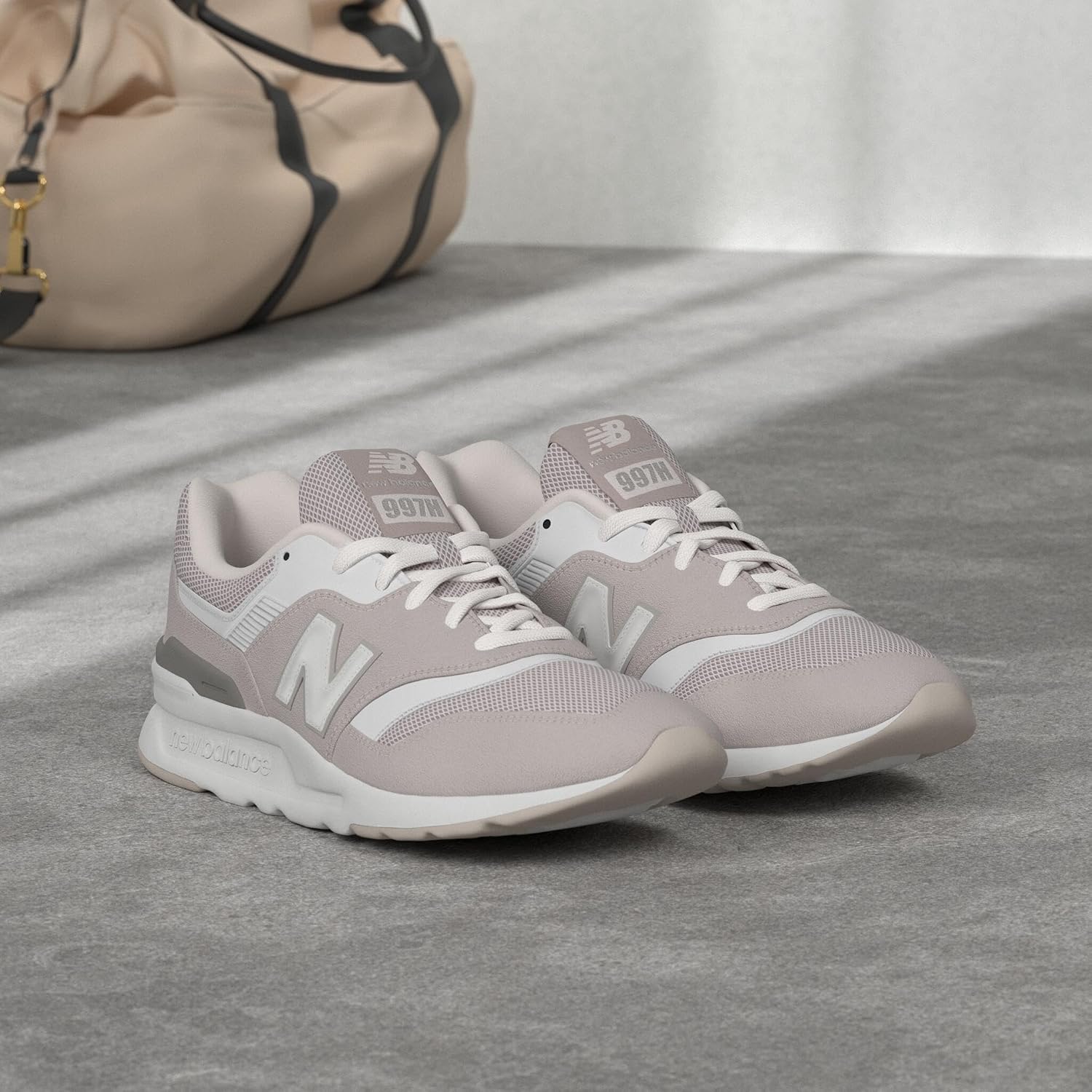
New
$99.94
In stock on Amazon
Check price on AmazonNike: Modular Cushioning Optimized for Specific Motion Types
Nike’s midsole strategy is segmented by use case more aggressively than either competitor. Zoom Air (thin, responsive, best for forward propulsion) appears in runners and court shoes. Air Max units (visible, larger, focused on heel-strike cushioning) dominate lifestyle and retro runners. React foam (Nike’s proprietary blown rubber/EVA compound) threads through mid-tier performance runners like the Pegasus line. And ZoomX — a Pebax-based supercritical foam originally developed for elite marathon racing — is now filtering into premium lifestyle product.
Business of Fashion has covered Nike’s Air technology licensing model extensively, noting that the Air unit framework — including technology agreements maintained with former subsidiary Cole Haan after Nike divested the brand in 2013 — has functioned as a consistent revenue and brand-authority engine for Nike across decades. The practical implication for buyers: Nike’s cushioning is highly specialized, which means it rewards buyers who know exactly how they’ll use the shoe. A Zoom-equipped court shoe is exceptional for lateral movement; it’s merely adequate for all-day standing. An Air Max unit is comfortable for walking; it’s inconsistent for performance running because the air bag compresses unevenly under varied foot strikes.
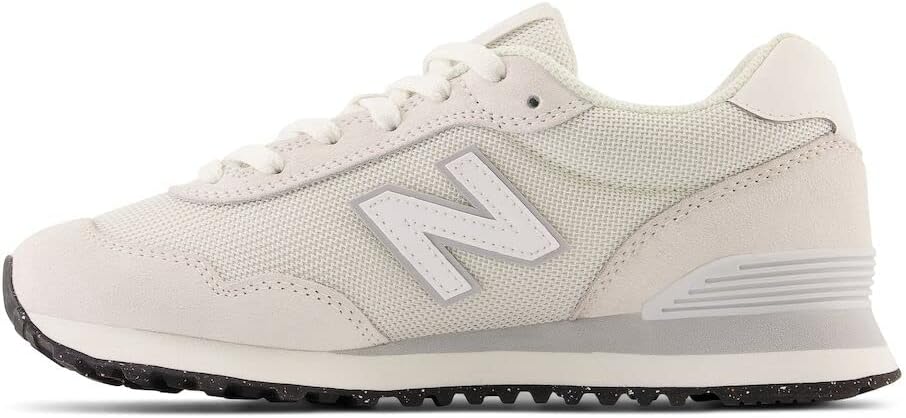
New
$69.99
In stock on Amazon
Check price on AmazonBy the Numbers: Stack, Price, and Durability at a Glance
| Brand / Platform | Midsole Material | Approx. Stack Height | Retail Price Range | Estimated Cushion Lifespan |
|---|---|---|---|---|
| New Balance Fresh Foam 1080 | Injection-molded EVA | ~35mm heel / 27mm forefoot | $165–$185 | 400–500 miles running; 18–24 mo. daily wear |
| Cole Haan ZeroGrand | Nike Zoom Air + EVA | ~18mm total | $130–$200 | 12–18 mo. daily wear (leather upper limits it) |
| Nike Air Max 270 | Air heel unit + React foam | ~32mm heel air unit | $150–$180 | 18–24 mo. casual wear; lower for running use |
Stack height and lifespan figures based on manufacturer-published specifications and aggregated owner reviews. Lifespan estimates reflect typical daily-wear conditions, not controlled testing.
Where the Construction Gap Actually Costs You (or Saves You)
Here’s the honest frame: midsole technology is not the only cost driver in these shoes, and in some cases it’s not even the primary one. Brand positioning, material sourcing, and manufacturing location all feed into retail price independently of cushioning quality.
New Balance’s domestic manufacturing premium — the Made in USA line, including certain 990 versions — adds roughly $80–$120 to retail versus equivalent-construction models made in Asia. That premium buys you verified labor standards and a shorter quality-control chain, not meaningfully better foam. The foam compound in a USA-made 990v6 is the same ABZORB/Fresh Foam hybrid as the imported version. If cushioning performance per dollar is your metric, the imported Fresh Foam line (574, 327, Fresh Foam X 860) gives you nearly identical midsole performance at $90–$130.
Cole Haan’s pricing reflects the leather upper cost more than the Zoom Air unit. The Zoom Air technology, licensed from Nike, carries a manufacturing cost well below what Cole Haan charges for it in context — but you’re paying for the integration work: engineering a performance unit into a dress-shoe last without visible bulk is genuinely difficult. Wirecutter, in its recurring guide “The Best Walking Shoes” published by the New York Times Company, has noted that Cole Haan earns its recommendation specifically for buyers who need a single shoe to perform across professional environments and high-mileage walking days — the cushioning-to-silhouette ratio is uniquely efficient.
Nike’s Air Max lifestyle line is, bluntly, the weakest construction value in this comparison for anything beyond occasional wear. The retail price ($150–$180 at general release) funds marketing, licensing, and brand premium more than it funds the foam itself. React-equipped Nike models (Pegasus, Infinity Run) offer measurably better foam-to-dollar ratios for buyers who will actually run in them. For pure lifestyle use, you’re paying significantly for the logo and the silhouette.
The Resale Angle: Does Midsole Tech Affect Secondary Market Value?
For resale-aware buyers, this is worth a quick pass. Midsole construction has almost no direct effect on resale price for Nike and New Balance in the collector market — what drives value on platforms like Grailed and The RealReal is colorway scarcity, collaboration status, and silhouette desirability. A deadstock Nike Air Max 1 with an aging, potentially yellowed and brittle air unit will still fetch a premium over a structurally superior but heat-neutral silhouette. The foam is largely irrelevant to the resale math.
Cole Haan has essentially no meaningful resale market — the brand doesn’t generate collector demand. You buy it for use-value, not hold-value.
The exception worth flagging: New Balance’s heritage runners (990, 992, 993) have demonstrated consistent secondary market stability precisely because the construction quality is high enough that worn pairs retain desirability. A used 990v5 in good condition holds value in the secondary market because buyers trust the foam hasn’t collapsed — that’s indirectly a midsole story, and it’s one that Hypebeast and Business of Fashion have both noted when covering New Balance’s resurgence as both a performance and cultural brand.
Decision Rules: If X, Then Y
You’ve read the breakdown. Here’s where it collapses into a clean framework:
If your primary use is high-mileage walking (8,000+ steps/day) and you need professional-appropriate footwear: Cole Haan ZeroGrand or ØriginalGrand. The Zoom Air integration is the only option in this category that genuinely delivers athletic cushioning inside dress-shoe aesthetics. Budget $150–$200 and expect 12–18 months before the midsole compresses noticeably.
If your primary use is mixed — gym, errands, weekend, occasional travel — and you want the best cushioning longevity per dollar: New Balance Fresh Foam X line (860v14, 1080v13, or the lifestyle 574 for lower-activity days). The foam durability advantage is real and documented across owner reviews. Import-line models at $100–$150 are the sweet spot; the USA-made premium does not improve cushioning performance.
If you’re buying Nike lifestyle silhouettes (Air Max, Dunk, 550) primarily: Go in clear-eyed that you’re buying a cultural object, not an optimized comfort tool. The Air Max unit is comfortable but not exceptional relative to price; the Dunk and 550 run on basic EVA that’s adequate and nothing more. Budget accordingly and don’t pay resale markup expecting performance.
If you’re buying Nike React or ZoomX performance models for actual running: This is where Nike’s foam engineering is genuinely competitive. The ZoomX Vaporfly and React Infinity Run earn their price on cushioning merit — this is a different product category than lifestyle Air Max, and the foam science reflects it.
If budget is the binding constraint: The New Balance import line consistently overdelivers on cushioning construction relative to price. A $100 Fresh Foam 860 will outperform a $160 Air Max 270 for walking comfort at month six and beyond, based on consistently reported owner durability across aggregated long-term reviews.
The midsole is the shoe. Everything else is presentation. Once you know what you’re buying the foam for, the brand decision gets a lot cleaner.